 11
11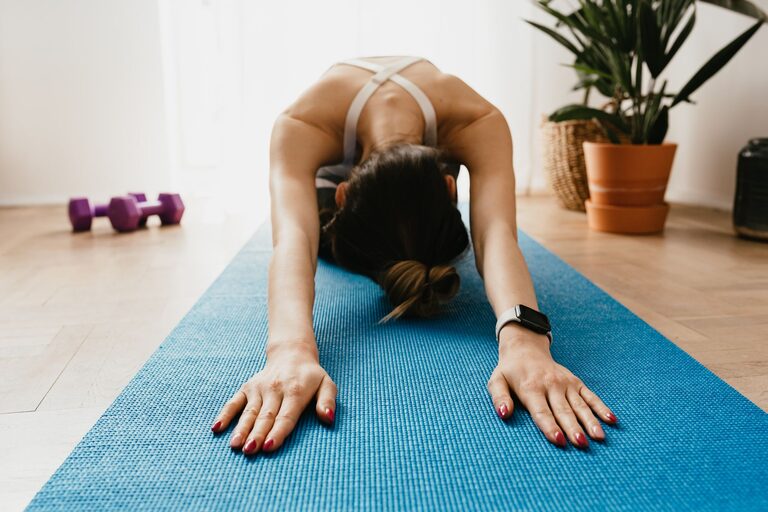
Stretching is a simple yet powerful way to enhance your physical health, improve flexibility, and ease muscle tension. Whether you’re an active person or spend long hours sitting, incorporating stretching into your daily routine offers numerous benefits. The good news is that you don’t need any special equipment or a gym membership to get started. This beginner’s guide to stretching at home will help you learn safe, effective techniques to improve your flexibility and feel better each day.
Stretching helps to:
– Increase muscle flexibility and joint range of motion
– Improve circulation and blood flow to muscles
– Reduce muscle stiffness and soreness
– Enhance posture and balance
– Decrease risk of injury during physical activity
– Promote relaxation and stress relief
Taking a few minutes daily to stretch can lead to noticeable improvements in how your body feels and moves.
You can stretch at different times depending on your goals:
– Before exercise: Perform dynamic stretches (moving stretches) to warm up muscles.
– After exercise: Use static stretches (holding a stretch) to cool down and relax muscles.
– Anytime during the day: Gentle stretching can break up long periods of sitting or inactivity.
For beginners, starting with a daily routine of static stretches is a great way to improve flexibility safely.
Before you begin:
– Wear comfortable clothing that allows free movement.
– Find a quiet, open space with enough room to stretch out.
– Use a yoga mat or towel for cushioning if stretching on a hard floor.
– Start with a brief warm-up, like walking in place or gentle arm swings, to get blood flowing.
– Listen to your body and avoid pushing into pain.
This simple routine targets major muscle groups and takes about 10–15 minutes.
– Sit or stand tall.
– Slowly tilt your head to the right, bringing your ear toward your shoulder.
– Hold for 15-20 seconds.
– Repeat on the left side.
– Bring your right arm across your chest.
– Use your left hand to gently pull your right arm closer to your chest.
– Hold for 15-20 seconds.
– Switch arms.
– Raise your right arm overhead, bending the elbow to touch your upper back.
– Use your left hand to press gently on your right elbow.
– Hold for 15-20 seconds.
– Switch arms.
– Stand with feet hip-width apart.
– Clasp your hands behind your back.
– Straighten your arms and lift your chest while squeezing your shoulder blades together.
– Hold for 20 seconds.
– Stand or sit tall.
– Raise your right arm overhead and lean to the left side.
– Hold for 15-20 seconds.
– Repeat on the opposite side.
– Sit on the floor with your legs extended in front of you.
– Slowly reach toward your toes, keeping your back straight.
– Hold for 20 seconds.
– Don’t force the stretch; go as far as comfortable.
– Stand holding onto a chair for balance if needed.
– Bend your right knee and bring your heel toward your buttocks.
– Hold your ankle with your right hand and keep knees close together.
– Hold for 15-20 seconds.
– Switch legs.
– Stand facing a wall.
– Place your hands on the wall at shoulder height.
– Step your right foot back, keeping it flat on the floor.
– Bend your left knee and lean forward slightly.
– Hold for 20 seconds.
– Switch legs.
– Breathe deeply and naturally during each stretch.
– Don’t bounce or jerk; stretch smoothly and steadily.
– Aim to stretch every day for the best results.
– Gradually increase how long you hold each stretch over time.
– Pay attention to how your body responds and adjust accordingly.
Once you feel comfortable with basic stretches, you can explore:
– Dynamic stretching: Incorporate gentle movements like leg swings or arm circles.
– Yoga poses: Many yoga postures improve flexibility and strength.
– Stretch bands: Use resistance bands to assist and deepen your stretches.
– Targeted stretches: Focus on specific muscles that feel tight or sore.
– If you experience sharp or intense pain during stretching, stop immediately.
– Avoid stretching injured or inflamed areas without consulting a healthcare professional.
– If you have chronic conditions, ask your doctor if certain stretches are appropriate.
Stretching at home is an accessible and effective way to enhance your mobility and comfort. By incorporating a gentle, consistent routine, you’ll notice greater flexibility, reduced muscle tension, and improved overall wellness. Start with these beginner stretches, listen to your body, and enjoy the simple benefits of moving more freely every day.