 11
11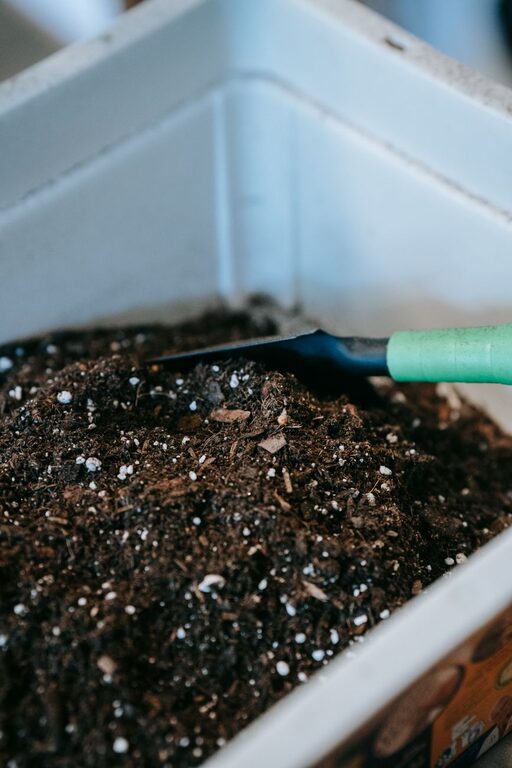
Composting at home is a rewarding way to reduce kitchen and garden waste while creating nutrient-rich soil for your plants. If you’re a beginner, starting a compost pile or bin might feel overwhelming, but with the right tips, it can be simple and enjoyable. This guide will walk you through everything you need to know to start composting at home effectively.
Composting is the natural process of recycling organic materials, such as food scraps and yard waste, into a dark, crumbly soil amendment known as compost. This compost enriches garden soil, helps retain moisture, and reduces the need for chemical fertilizers.
– Reduces waste: About 30% of household waste is compostable. Composting keeps this out of landfills.
– Improves soil: Adds valuable nutrients and improves soil texture.
– Saves money: Reduces the need to buy fertilizers and soil conditioners.
– Supports the environment: Decreases methane emissions from landfill waste and promotes healthy ecosystems.
You can compost in a few different ways:
– Compost bin: Available in various sizes and styles, bins help keep the compost contained and can speed up decomposition.
– Compost pile: Simply designate a spot in your yard to start a pile. This method requires more space but works well for larger gardens.
– Tumbler: A rotating compost bin that’s easy to turn and aerate.
– Vermicomposting: Using worms to break down organic material, ideal for indoor composting or small spaces.
Choose the option that fits your space, lifestyle, and the amount of organic waste you produce.
These materials provide nitrogen, which helps microorganisms break down the compost faster.
Examples include:
– Fruit and vegetable scraps
– Coffee grounds and filters
– Tea bags (make sure they are compostable)
– Fresh grass clippings
– Eggshells (crushed)
Brown materials provide carbon, which balances the nitrogen and helps create air pockets.
Examples include:
– Dry leaves
– Straw and hay
– Shredded paper or cardboard (avoid glossy materials)
– Wood chips and sawdust (from untreated wood)
– Pine needles
Avoid adding these to your home compost:
– Meat, dairy, or oily foods (can attract pests and create odors)
– Pet waste
– Diseased plants
– Invasive weeds or plants with seeds
– Treated wood or charcoal ashes
A healthy compost pile needs a good balance of greens and browns. Aim for about 2 to 3 parts browns to 1 part greens. This helps reduce odors and speeds up decomposition.
Smaller pieces break down faster. Cut or shred larger scraps before adding them to your compost.
Compost should be as damp as a wrung-out sponge. If it’s too dry, decomposition slows; if too wet, it can become smelly.
Turning the pile every 1-2 weeks adds oxygen, which microorganisms need to work efficiently. If you use a tumbler, turning is even easier.
Composting can take anywhere from a few weeks to several months depending on the materials and conditions. Finished compost looks, smells, and feels like rich, dark soil.
| Issue | Cause | Solution |
|——————-|——————————–|———————————|
| Smelly compost | Too much green or moisture | Add more browns, turn pile |
| Compost too dry | Not enough moisture | Water gently and mix |
| Slow decomposition | Large materials or poor aeration | Chop materials, turn more often |
| Pests in compost | Meat or oily foods, uncovered | Remove offending items, cover pile |
Once your compost is ready, you can use it in various ways:
– Mix into garden beds to improve soil fertility
– Use as mulch around plants to retain moisture
– Add to potting soil mixes for container plants
– Spread on lawns as a natural fertilizer
Starting composting at home is a manageable and sustainable way to reduce waste and boost your garden’s health. By following these beginner tips and maintaining your compost properly, you’ll enjoy the benefits of rich, homemade soil and contribute to a greener planet.
Happy composting!