
 11
11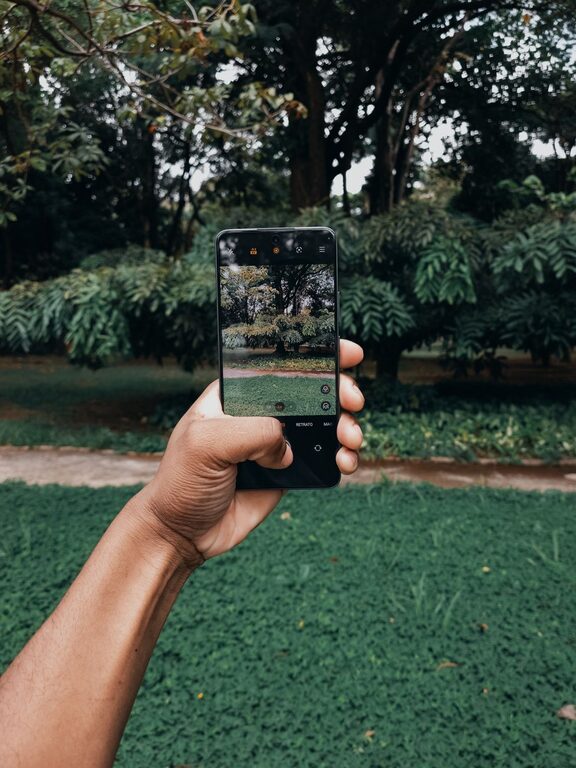
Taking great photos with your phone is easier than you might think. Whether you want to capture everyday moments or stunning landscapes, a few simple tips can help you improve your images right away. This guide will walk you through essential beginner tips that make a big difference in your phone photography.
Before diving into creative tips, spend some time exploring your phone’s camera features. Most smartphones have multiple lenses, different shooting modes, and settings like HDR or night mode. Knowing what your camera can do will help you take full advantage of its capabilities.
– Check lens options: Wide-angle, ultra-wide, and telephoto lenses offer various perspectives.
– Explore shooting modes: Portrait, panorama, and manual settings can improve your photos.
– Learn about exposure and focus: Tap to focus and adjust brightness for clearer images.
A simple but often overlooked tip is to clean your camera lens regularly. Fingerprints, dust, and smudges can blur your photos or reduce image quality. Use a soft microfiber cloth to gently wipe the lens before shooting.
Lighting plays a huge role in photography. Natural light usually offers the best results, especially during the “golden hours” — shortly after sunrise and before sunset — when light is softer and warmer.
– Avoid shooting in harsh midday sun, which can cause strong shadows.
– If indoors, position your subject near windows for natural, flattering light.
– Use shade to soften bright sunlight if outdoors.
Good composition can turn an ordinary photo into something memorable. Some basic composition techniques to try include:
– Rule of thirds: Imagine a grid dividing your frame into nine equal parts. Place key elements along these lines or their intersections.
– Leading lines: Use paths, roads, or fences to draw the viewer’s eye into the photo.
– Framing: Use natural frames like doorways or branches to focus attention.
– Keep it simple: Avoid clutter in the background that distracts from your subject.
Blurry photos often result from shaky hands. To minimize blur:
– Hold your phone with both hands.
– Tuck your elbows close to your body.
– Consider leaning against a stable surface.
– Use a tripod or phone stand for added stability when possible.
Don’t just shoot from eye level. Changing your angle can create more interesting photos.
– Get low to the ground for unique perspectives.
– Shoot from above for flat lays or overhead shots.
– Try side angles to add depth.
Most phones allow you to enable gridlines in the camera settings. These lines help you apply the rule of thirds and keep your shots balanced.
Digital zoom can reduce image quality by cropping and enlarging the photo. Instead:
– Move closer to your subject if possible.
– Crop the photo later using editing apps.
Don’t hesitate to take several photos of the same scene. This increases your chances of capturing the best moment with the right focus and lighting.
Editing can enhance your photos significantly. Basic adjustments like cropping, adjusting brightness, contrast, and saturation can make a big difference.
– Use free or inexpensive apps like Snapseed, Lightroom Mobile, or VSCO.
– Avoid over-editing; keep the image natural and true to the moment.
Like any skill, your photography will improve with consistent practice. Try photographing different subjects — people, nature, architecture — and review your photos to see what works and what doesn’t.
Taking better phone photos is all about observation, practice, and experimenting with your camera’s features. With these beginner tips, you can start capturing more beautiful and compelling images today. Remember, the best camera is the one you have with you, so keep shooting and have fun!